Detox Pennsylvania and what to ask
Detox Pennsylvania means finding monitored withdrawal care in a state where 89 facilities offer it. SAMHSA FindTreatment.gov lists 89 medical detox facilities across Pennsylvania as of November 2026.
- programs in Pennsylvania
- 89
- take Medicaid
- 68
- take private insurance
- 78
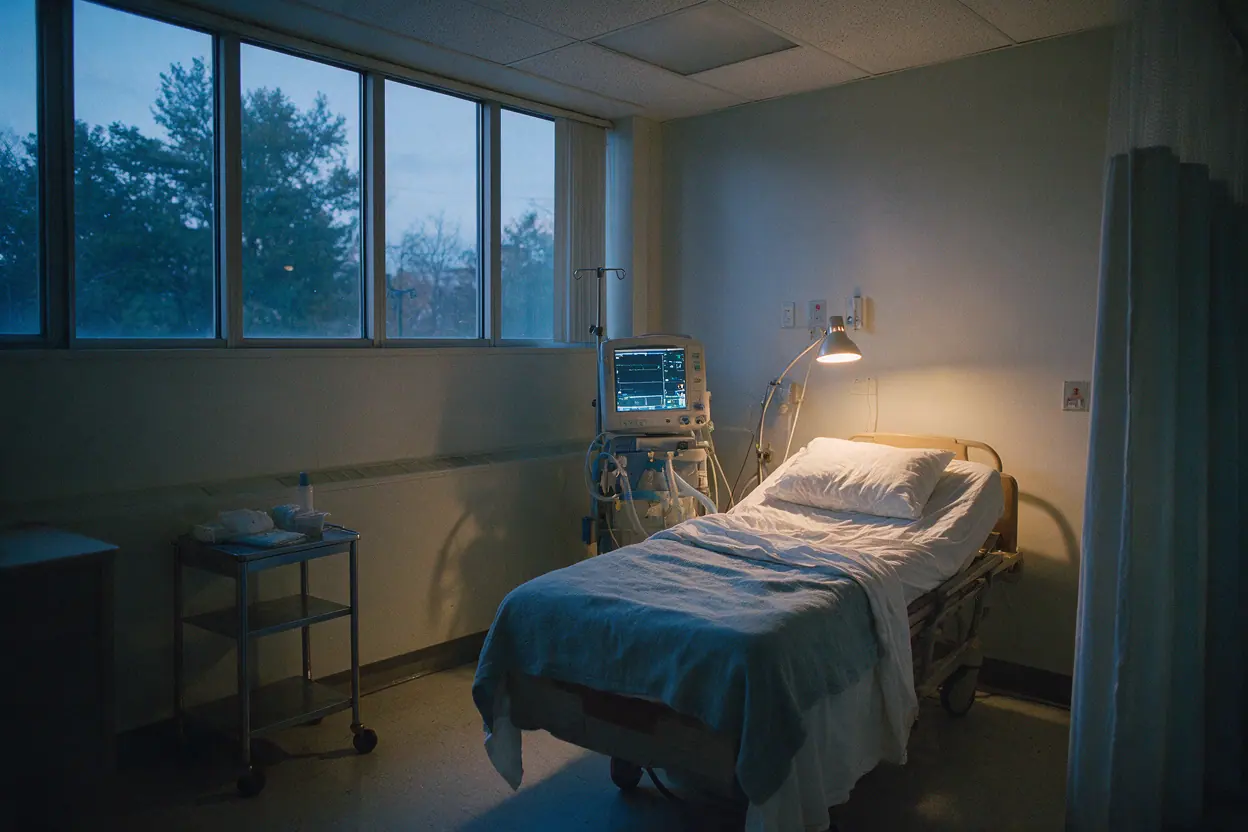
Medical detox is the monitored withdrawal phase of addiction treatment, when someone stops a substance with clinical support such as medication and around-the-clock observation. In Pennsylvania, 89 facilities offer this level of care, per SAMHSA FindTreatment.gov listings.
Of the 89 Pennsylvania detox programs listed, 72 also offer dual diagnosis care, which matters when anxiety, depression, or trauma sits alongside the substance use.
What a medical detox stay looks like
Screening and intake
A nurse or clinician asks about substance use, medical history, and medications, then checks vital signs. Bring insurance cards and any prescription list you can gather.
Daily routine
Ask about personal belongings, rules on smoking, and what relatives may bring, because every program makes its own policy. Jot down the answers so you can weigh one detox center against another.
Discharge planning
Ask for the plan in writing and confirm the first appointment. Transportation and insurance questions are easier to solve before discharge day arrives.

PA detox with Medicaid or insurance
Of the 89 detox facilities listed in Pennsylvania, 68 accept Medicaid, 78 accept private insurance, 24 accept Medicare, and 13 offer a sliding fee scale, according to SAMHSA FindTreatment.gov. Sixty-eight of Pennsylvania's 89 listed detox centers accept Medicaid for withdrawal care, and those figures describe billing options, not open beds. Availability shifts daily, so the useful call checks payment and an opening in the same conversation.
Many of these Pennsylvania addiction treatment centers also run inpatient rehab and outpatient services, so detox is often a doorway rather than a destination. Pennsylvania has adopted Medicaid expansion, according to KFF's October 2026 status report, which can affect who qualifies. Ten of the 89 detox facilities list Spanish-language services, 72 offer dual diagnosis care, and 71 provide telehealth in some form. If you are sorting alcohol rehab and drug treatment centers for a relative, ask whether the detox unit sits inside a larger addiction treatment center or stands alone as a medical unit, because that shapes discharge day.

- take Medicaid
- 68
- take private insurance
- 78
- take Medicare
- 24
- offer sliding-scale fees
- 13
| Facility | City | Service | Takes |
|---|---|---|---|
| Bradford Recovery Center | Millerton | Detox, Residential, OTP | Medicaid, Insurance |
| Polaris Detox LLC | Abbottstown | Detox, Residential | Insurance |
| White Deer Run | York | Detox, Residential | Medicaid, Insurance |
| White Deer Run Allenwood | Allenwood | Detox, Residential, OTP | Medicaid, Insurance |
| Arkview Recovery Center | Mechanicsburg | Detox, Residential, PHP, IOP, Outpatient | Insurance, Sliding fee |
| Clearbrook Treatment Center | Wilkes Barre | Detox, Residential, PHP, IOP, Outpatient | Medicaid, Insurance |
| Endless Mountain BH Center | Sayre | Detox, Residential | Medicaid, Insurance |
| Lebanon VAMC | Lebanon | Detox, Residential, IOP, Outpatient | Medicare, Insurance |
| BriteLife Recovery at Hanover | Hanover | Detox, Residential | Insurance |
| Huntingdon Valley Comp Trt Center | Huntingdon Valley | Detox, Outpatient, OTP | Medicaid, Medicare, Insurance |
Based on SAMHSA FindTreatment.gov listings. Services and payment options shift; verify by phone.
Paying for detox in Pennsylvania
Payment options differ by facility, and a listing promises neither coverage nor admission. In Pennsylvania, 68 of the 89 detox facilities accept Medicaid, 78 accept private insurance, 24 accept Medicare, and 13 offer a sliding fee scale, per SAMHSA FindTreatment.gov. Comparing several addiction treatment programs goes faster if you ask the same three questions each time: which insurance is accepted, what a typical stay costs, and what happens if someone stays longer than expected. Keep notes, because answers vary from one program to the next.
Who medical detox in Pennsylvania fits
- Families looking for a Pennsylvania drug alcohol rehab detox setting that connects a loved one to inpatient rehab or outpatient care afterward.
Questions
How many detox facilities in Pennsylvania accept Medicaid?
Sixty-eight of the 89 detox facilities listed in Pennsylvania accept Medicaid, according to SAMHSA FindTreatment.gov data from November 2026. Acceptance does not mean a bed is open or that every service is covered, so confirm both with the billing office. Pennsylvania has adopted Medicaid expansion, which can affect who qualifies for coverage.
How many detox Pennsylvania facilities offer dual diagnosis care?
Seventy-two of the 89 medical detox facilities listed in Pennsylvania offer dual diagnosis care, meaning they also address mental health conditions alongside substance use, per SAMHSA FindTreatment.gov. That matters if depression, anxiety, or trauma is part of the picture.
Can I be admitted to detox directly from an emergency room?
Some Pennsylvania detox facilities accept direct transfers from emergency departments, while others schedule an arrival after a phone screening. Of the 89 facilities listed, 71 also offer telehealth in some form, which can speed up the initial conversation. Call ahead to confirm the transfer process and whether a bed is open that day.
Do detox programs in Pennsylvania offer Spanish-language services?
Ten of the 89 detox facilities in Pennsylvania list Spanish-language services, according to SAMHSA FindTreatment.gov. If language access matters for your family, ask specifically whether clinical staff or interpreters are available at intake and during withdrawal monitoring. A listed language does not guarantee a bilingual clinician on every shift, so confirm before you travel.
What should a family member ask before choosing a detox program?
In Pennsylvania, 13 of the 89 detox facilities offer a sliding fee scale, so it is worth asking about cost. Also ask about phone access, visiting rules, and whether the program treats mental health conditions occurring alongside addiction. Write the answers down and compare them.